
Shopping Cart
- Tu Aloe Canario
- Canarian Aloe Vera
- 0 likes
- 355 views
- 0 comments
Ask in any Canarian village for the "zábila" and someone will point to a pot on a flat roof or a half-wild clump by a stone wall. Long before aloe vera filled pharmacy shelves across Europe, it was part of the islands' landscape and home remedies.
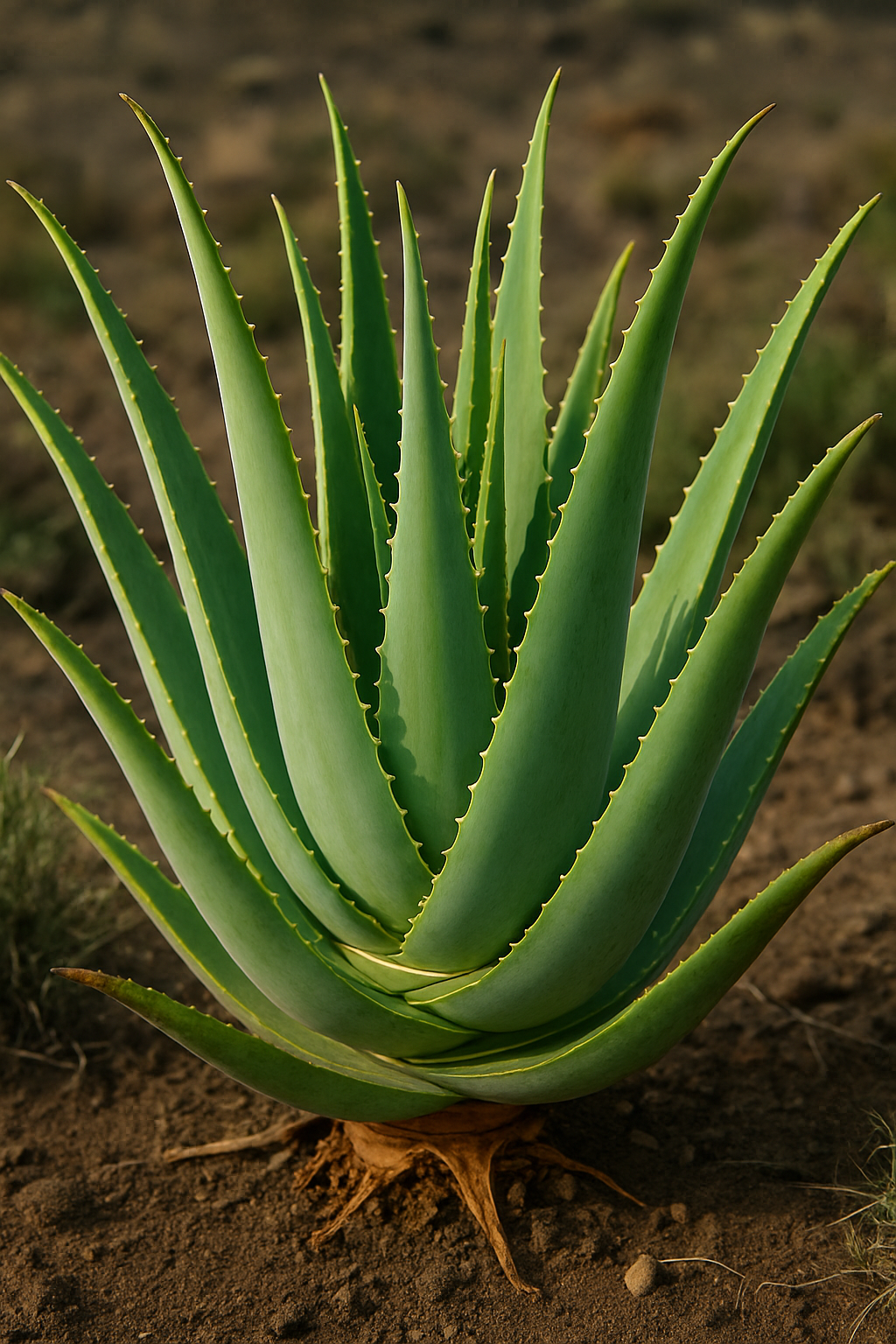
Not native, but very much at home
Aloe vera is not native to the Canaries. According to Kew's plant catalogue, it originates from the Arabian Peninsula (Kew, Plants of the World Online). Nineteenth-century botanists even debated whether the islands might be its homeland, but today it is classed as introduced, and a reference study published in the journal Makaronesia concludes that its presence is better explained by people's use of it than by natural arrival (Wildpret de la Torre et al.).
What the early botanists saw
Webb and Berthelot, authors of the great Natural History of the Canary Islands (1836-1850), noted that aloe was not rare in coastal areas and recorded it in Gran Canaria, La Palma and Garachico in Tenerife. By the early twentieth century, Pitard and Proust described it as very frequent on the coastal rocks of every island except La Graciosa and Alegranza.
How islanders used it
On the skin: for kitchen burns, small cuts, insect bites and irritated skin. Internally, the bitter yellow sap (acíbar) was used as a purgative. That sap contains aloin, a strong, irritating laxative whose use in food is now restricted in the EU, so it is not a home remedy.
Why it thrives here
Aloe needs warmth and sun and dislikes cold. The islands offer mild temperatures all year, no coastal frost, plenty of sunshine, little rain, free-draining volcanic soils and the cooling trade winds. Quality, however, also depends on plant age, harvesting and how quickly the gel is processed after cutting.
From rooftops to plantations
Today there are plantations on Lanzarote, Fuerteventura, Gran Canaria and Tenerife, but it remains a small crop: around 93 hectares across the archipelago in 2022, mostly on Lanzarote (La Voz de Lanzarote). Local press has long pointed out that sales of "Canarian aloe" products grow faster than the cultivated area, which means some of it comes from elsewhere. We work with certified organic aloe vera juice from plantations in Tenerife and Fuerteventura, from plants over three and four years old.
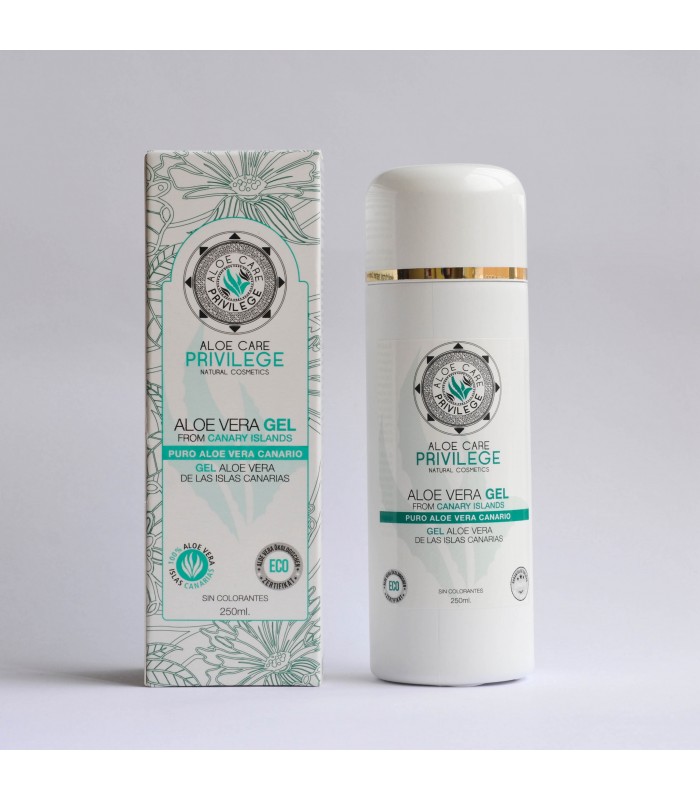
Try our Canarian aloe vera gel 250 ml or browse the whole Aloe Care Privilege range.
Sources: Wildpret de la Torre W. et al., "Aloe vera en Canarias: aspectos botánicos y etnobotánicos", Makaronesia; Royal Botanic Gardens, Kew; La Voz de Lanzarote, 2022; elDiario.es Canarias Ahora.
Comments (0)