
Shopping Cart
- Tu Aloe Canario
- Canarian Aloe Vera
- 0 likes
- 397 views
- 0 comments
Canarian aloe vera has its own place in island cosmetics. To choose a product wisely, it helps to follow its journey: identifying the plant, knowing which part of the leaf is used and understanding how that ingredient fits into a formula designed for the skin.
In this guide we bring together botany, formulation and label reading. The aim is to help you compare aloe products from the Canaries more effectively and look after the ones you already have at home. A good choice combines information on origin, a clear cosmetic purpose and a format that fits your habits.
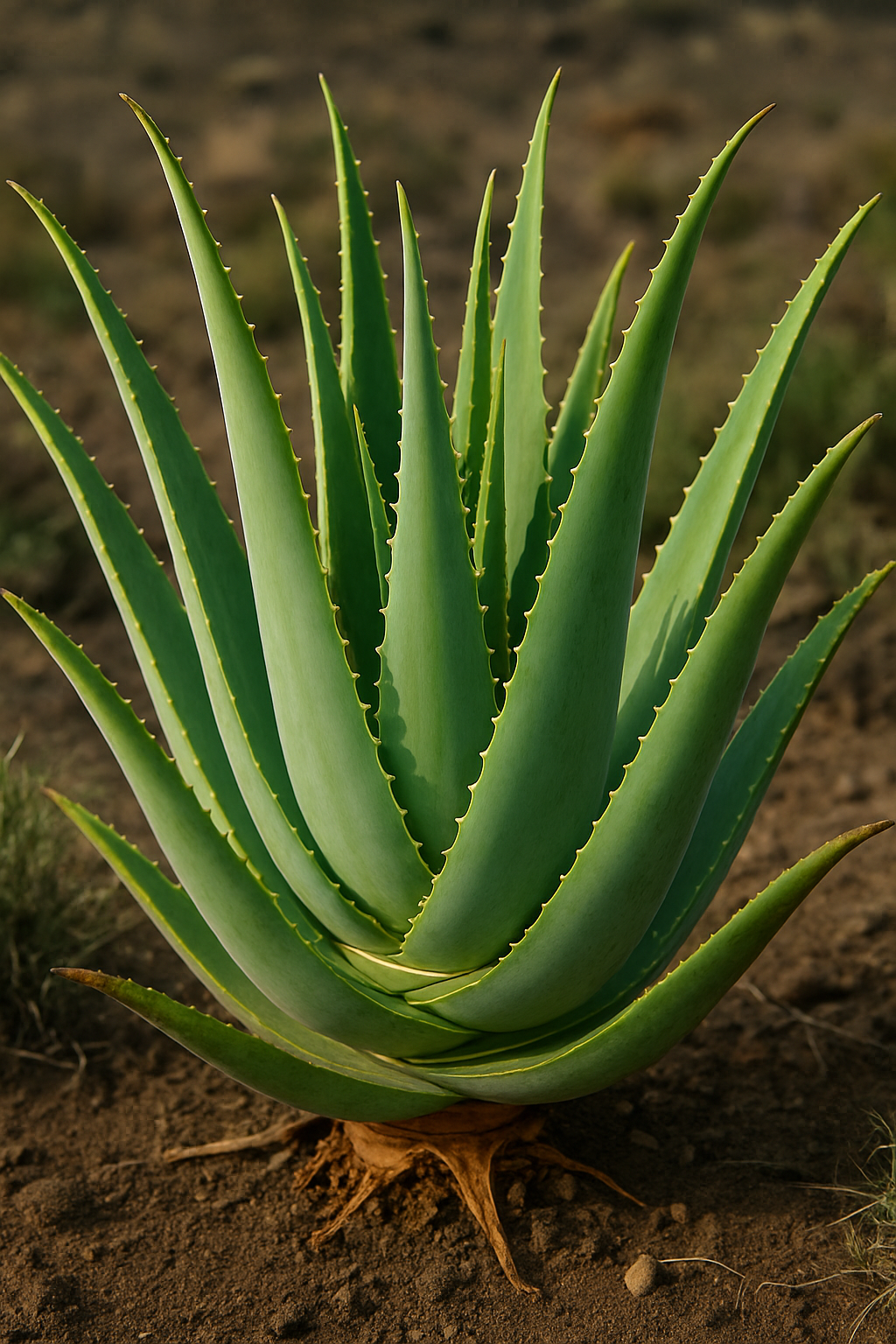
Aloe vera illustration from the Tu Aloe Canario blog
The plant and its origin
Which plant we know as aloe vera
Kew recognises Aloe vera as an accepted botanical species and lists Aloe barbadensis among its synonyms. It is a succulent with fleshy leaves arranged in a rosette. Its inner tissue contains the gel-like material used in various preparations. The scientific name helps identify the ingredient beyond trade names. [1]
When we say Canarian aloe vera, "Canarian" refers to where the plant is grown. Where a plant grows and the name of its species are different pieces of information. To understand a cosmetic's traceability, it's also worth distinguishing where the ingredient comes from, where it's processed and where the finished product is made.
What a Canarian origin tells you
Origin can link a product to a place and to the people who produce it. To compare, look for a concrete explanation of origin and traceability. A photo, a reference to the volcanic landscape or the packaging design are part of the brand story; documentation about the ingredient and the manufacturer is what lets you check it.
Geographical origin alone doesn't prove that all cosmetics from a region have the same composition or results. Quality also depends on the ingredient used, its processing, the formula and the product's controls. A simple question helps: what specific information does the brand give about this cosmetic?
From leaf to cosmetic ingredient
Inner gel, latex and whole leaf
The word aloe can refer to different materials. Inner gel comes from the inside of the leaf; latex or exudate is associated with its outer parts; a whole-leaf preparation includes material from both before any treatment. NCCIH distinguishes these forms because their composition and safety considerations differ. [2]
It's worth identifying the type of preparation when reading about aloe. A result obtained with an isolated substance, a whole-leaf extract or an oral preparation doesn't automatically apply to a gel for external use. This distinction helps you read both labels and research news more accurately.
What acemannan is and why it's studied
Acemannan is an aloe polysaccharide: a molecule made up of many sugar units, including mannose, with a characteristic chemical structure. It is studied as part of the gel's composition. Analysing it describes a raw material better than a single overall aloe figure. [3]
A study of fifteen commercial aloe drinks found differences in acemannan content and characteristics. That study concerns drinks; it doesn't evaluate our creams or prove effects on the skin. We mention it here to explain that the composition of a preparation needs more detailed information than its name or declared percentage. [3]
How aloe becomes a cosmetic
The full formula defines the product
An aloe ingredient can be part of a gel, an emulsion, a soap or a serum. Each product is designed for a purpose and a way of application. So when comparing two packs, look at what they offer as finished products: cleansing, moisture, texture, area of use or specific care backed by their documentation.
Other ingredients may add texture, make application easier, help preserve the product or complement its cosmetic function. The number of ingredients alone doesn't make a product better or worse. The practical question is whether the formula serves its stated purpose and whether the information is enough to use it properly.
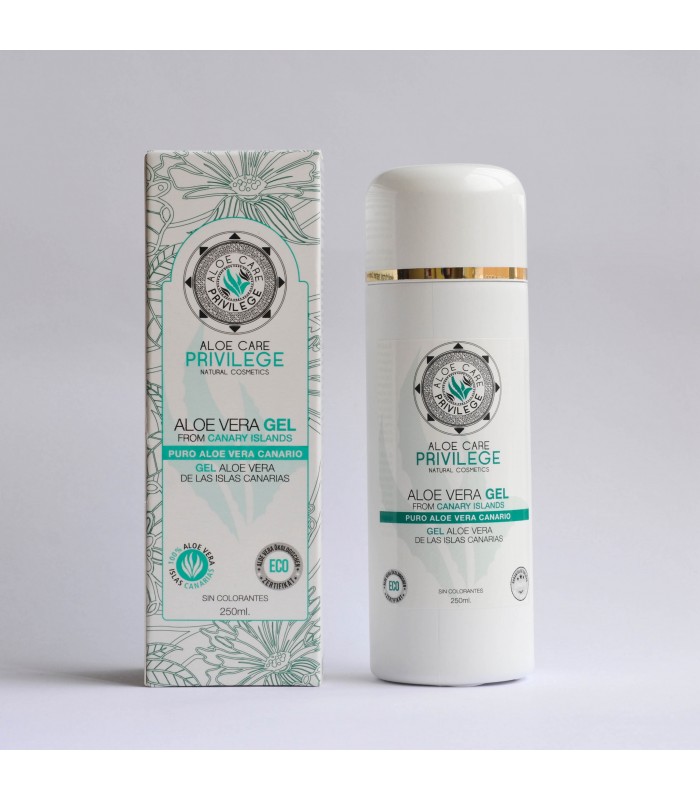
Aloe Care Privilege aloe vera gel
What research says about moisture
A study published in 2006 evaluated formulations with freeze-dried aloe extract in twenty women and observed improved skin hydration under the conditions studied. It's an interesting cosmetic finding with a specific scope: particular formulas and a small group of participants were studied. [4]
The result doesn't mean any aloe product will behave the same way. To assess a brand's claim, you need evidence relating to its own product. The technical document available from the Spanish medicines agency (AEMPS) explains that benefits attributed to an ingredient must be substantiated when applied to the finished cosmetic. [7]
Gel and cream offer different experiences
If you prefer a light application, see the 250 ml aloe vera gel. If you're looking for a creamy face product, check the aloe vera and argan face cream. Their product pages let you compare purpose and directions. The choice starts with the area you want to care for and the feel you prefer, and continues with reading about the specific product.
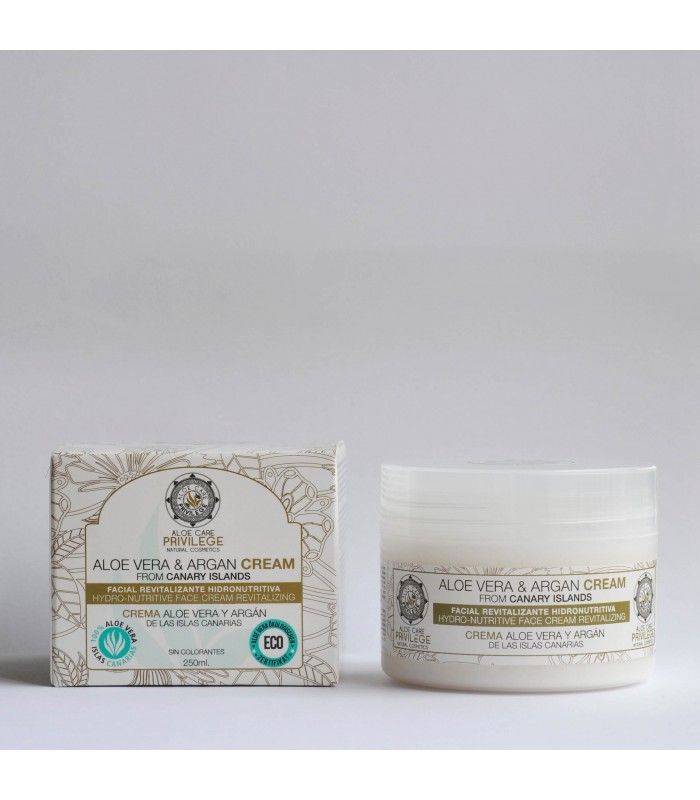
Aloe Care Privilege aloe vera and argan face cream
How to read an aloe vera product wisely
Ingredients, quantity and use-by date
The label lets you check the ingredient list, contents, precautions and batch. The list is generally in descending order of weight at the time of addition; ingredients below 1% are an exception to that order. So an ingredient's position doesn't let you calculate an exact percentage. [6]
Also check the minimum durability date or, where applicable, the period after opening. A mark such as 12M means twelve months after opening for products carrying that symbol. Always check your own pack, as not all cosmetics share the same period. [6]
What to ask about a high aloe percentage
If a product highlights a percentage, you can ask what it refers to: the ingredient added, a specific preparation or the finished product. It's also worth knowing the form of the ingredient. A figure on its own doesn't explain how it was obtained, what else is in the formula or what evidence supports a claim about its effect.
Useful information is information that helps you understand and use the product. A clear description, instructions and the chance to ask questions before buying are a more practical basis for choosing than a string of unexplained technical terms.
Storage and everyday use
Looking after a product once opened
Follow the manufacturer's conditions, keep the pack clean and avoid adding water to change its texture or make it last longer. The FDA notes that storage, packaging and the way a product is used affect microbial contamination in cosmetics. Wash your hands before applying, especially if you need to dip your fingers into a jar. [5]
Storage depends on each formula. Check the label before deciding where to keep it and respect the period after opening. A formulated, packaged product has specific storage conditions; a home-made preparation needs its own assessment and doesn't inherit those of a commercial cosmetic.
How to judge skin tolerance
A plant origin doesn't guarantee a product suits everyone. NCCIH reports cases of itching, stinging and rashes with topical aloe. If you notice discomfort, stop using it and seek advice if it persists. If you have a skin condition or are under prescribed treatment, follow your healthcare professional's advice. [2]
Frequently asked questions
Is Canarian aloe vera a different species?
In this guide the term describes where the plant is grown. The botanical name is what identifies the species. It's worth keeping this separate from where the cosmetic is made and from any certification of the ingredient.
Does a study on aloe prove my cream works?
It depends on what was studied: the ingredient, an isolated substance or a finished formula. For a specific claim, what matters is the evidence relevant to that product and that benefit. [7]
Can I tell the exact percentage from the INCI list?
The list helps identify the ingredients and their general order of addition. On its own it isn't a recipe and doesn't reveal all the proportions. If you need a specific figure, ask the manufacturer. [6]
Does a plant ingredient make preservation unnecessary?
Preservation depends on the formula, the packaging and how it's used. Microbial protection must be assessed for the whole product. Follow the manufacturer's instructions and avoid altering the contents of the pack. [5]
How do I choose between a gel, a cream and a soap?
Start with the function you need: a rinse-off cleanser or care afterwards. Then compare area of use and texture. Read more in our guide to choosing between gel, cream and soap.
Where can I see Tu Aloe Canario's products?
In the Aloe Care Privilege catalogue you can check formats and product pages before buying. If you have questions about an ingredient or how to use something, contact the shop for information on the product you're interested in.
Learn more about caring with aloe
Choosing cosmetics with Canarian aloe vera combines curiosity about the plant with attention to the product in your hands. Knowing its origin, understanding what the formula does and storing it properly help you use it more wisely. The botanical and cosmetic information in this guide is for general information about skin care, not for diagnosing or treating disease.
Sources
[1] Kew Science on the botanical identity of aloe
[2] NCCIH on the differences between gel, latex and leaf
[3] Comas-Serra et al. on acemannan in aloe preparations
[4] Dal'Belo et al. on hydration with aloe formulations
[5] FDA on storage and microbiological safety of cosmetics
[6] Cosmetics Regulation – labelling, Article 19 (in Spanish)
[7] AEMPS technical document on cosmetic claims (in Spanish)
Comments (0)